Technology adoption is the catalyst that transforms efficiency into progress, empowering industries and enhancing everyday life, making every operation, every task more sustainable and result oriented.
Discover More Our ProjectsEnfiniti Innovate New Technology Development Co., Ltd., established in 2021, is a technology development and consulting enterprise focused on delivering advanced, scalable, and globally relevant solutions. The company operates at the intersection of preventive healthcare, smart and sustainable agriculture, renewable technologies, and international technology transfer, contributing to innovation-driven economic growth and sustainable development.
Our core focus lies in the design and deployment of next-generation health monitoring technologies that enhance individual well-being through precision, adaptability, and data-driven intelligence. In parallel, we serve as strategic advisors in horizontal technology transfer, enabling the adoption and localization of advanced innovations across Belt and Road economies. With multidisciplinary expertise spanning smart, self-sustaining agricultural systems, renewable energy solutions, and applied biotechnology, we are committed to driving sustainable development and strengthening global resilience through intelligent, scalable technologies.
Learn more
Next-generation health monitoring with AI-driven analytics and personalized therapeutic recommendations.
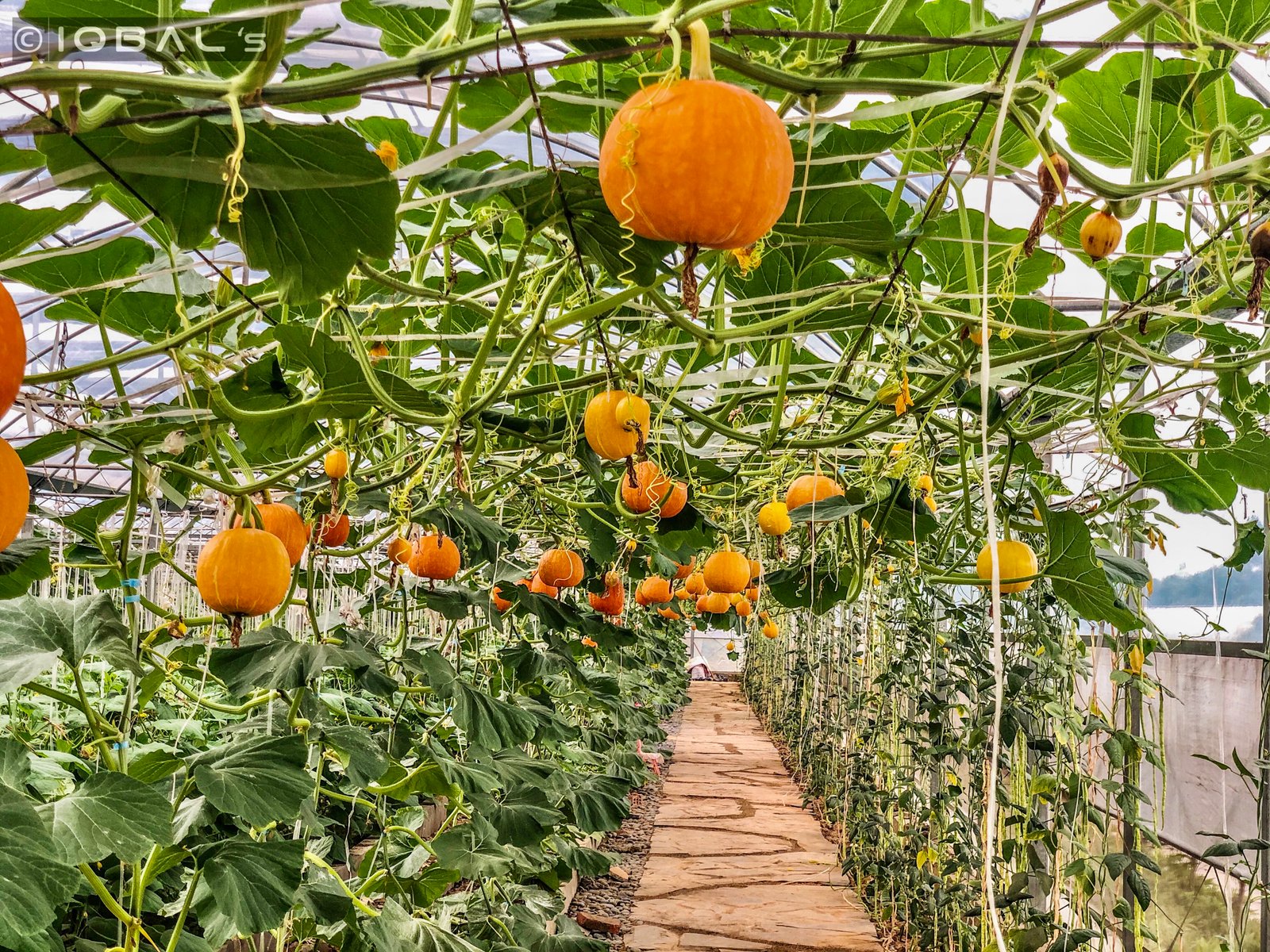
Intelligent agriculture solutions for optimal resource utilization and maximum yield.
Scalable clean energy solutions tailored for small and medium enterprises.
Strategic consulting for sustainable innovation across developing economies.
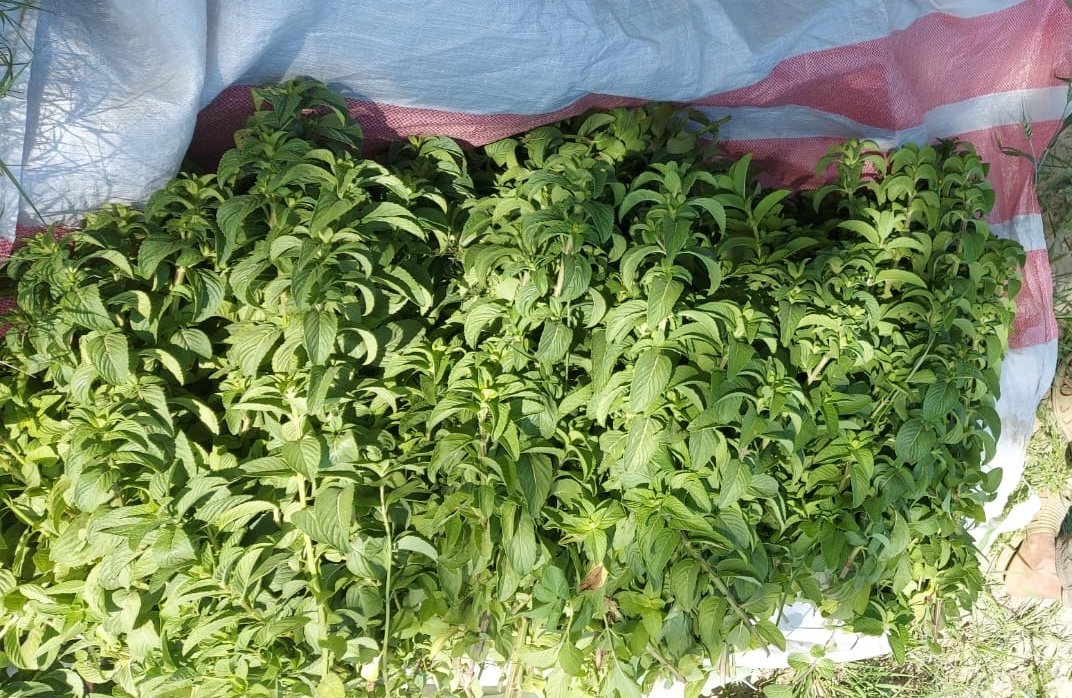
This facility is designed to harness the potential of the region's rich biodiversity, focusing on the processing of indigenous medicinal herbs such as Japanese mint, stevia, and other aromatic botanicals. Through this initiative, we aim to catalyze local economic development, elevate export competitiveness, and establish scalable pathways for bio-based product commercialization.
At Enfiniti Innovate we are driven by a singular purpose: to transform lives through intelligent, sustainable technologies.
As we expand our global footprint, we remain focused on delivering measurable value to our partners, investors, and the communities we serve. Our strategic initiatives reflect a commitment to innovation, resilience, and long-term impact. We believe in integrating science, technology, and cross-sector collaboration to address some of the most pressing challenges and technological hurdles for developing industries.
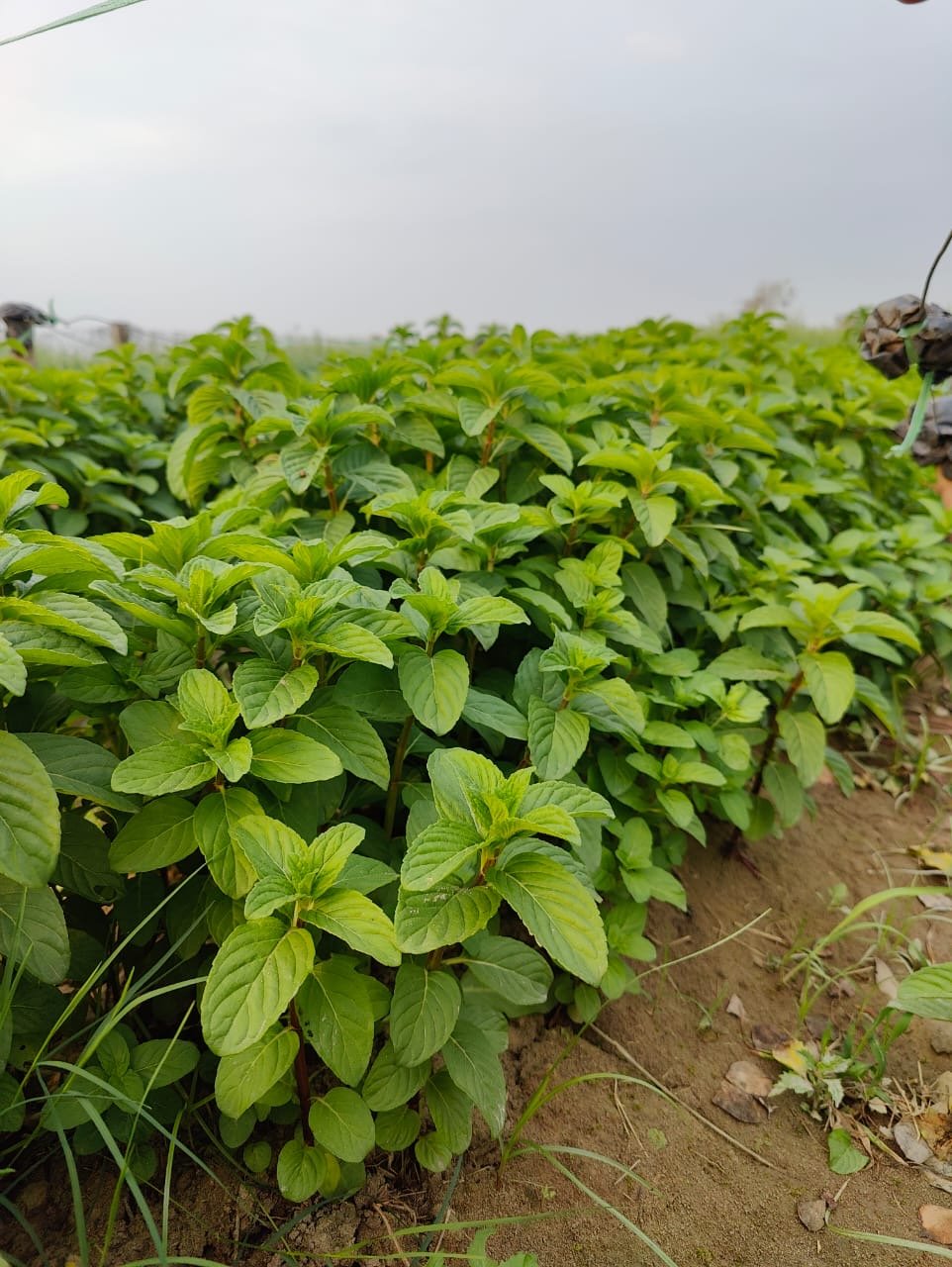
Learn moreA pilot project of mint plantation is completed on 10 acres of land in collaboration with Punjab Agriculture Research Board (PARB), Pakistan.
Read moreUnder the MoU with the University of Swabi, Pakistan Enfiniti Innovate has authorized and is fully sponsoring the establishment of a dedicated research laboratory focused on essential oil extraction.
Read moreNext-generation devices integrated advanced biosensors, AI-driven analytics, and user-centric design to offer real-time health monitoring, early disease detection, and tailored therapeutic recommendations — in collaboration with Carium Healthcare Innovation, Pakistan.
Read more
"Enfiniti Innovate demonstrates strong technical vision and execution capability in advancing sustainable and applied technologies. Their collaborative approach and commitment to impact make them a valuable innovation partner."
"Enfiniti Innovate bridges academia and industry with a clear focus on practical innovation and knowledge transfer. Their engagement reflects professionalism, research alignment, and long-term value creation."
"Enfiniti Innovate brings modern thinking and technical depth to agricultural innovation. Their solutions are forward-looking and aligned with the future of sustainable farming."
"Enfiniti Innovate shows a strong capability in translating technology into scalable industrial solutions. Their strategic mindset and execution standards are highly commendable."
University of Swabi MoU
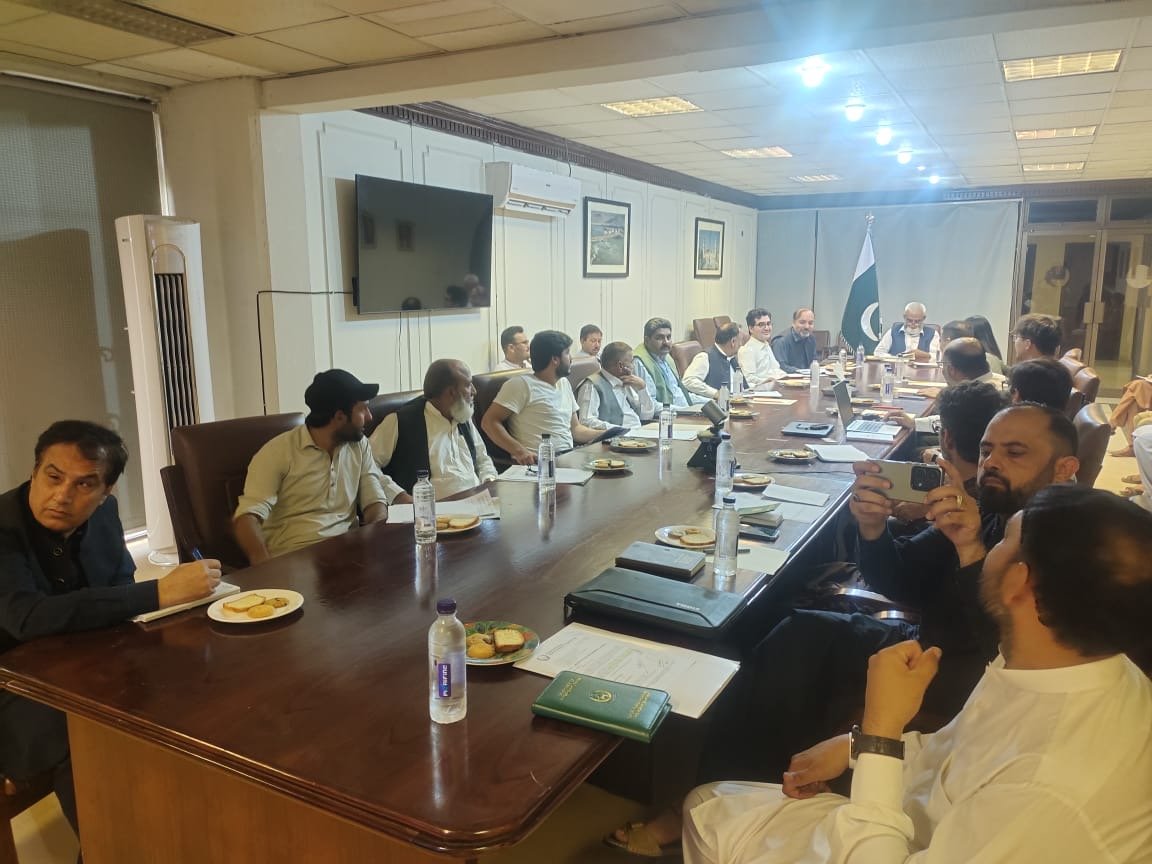
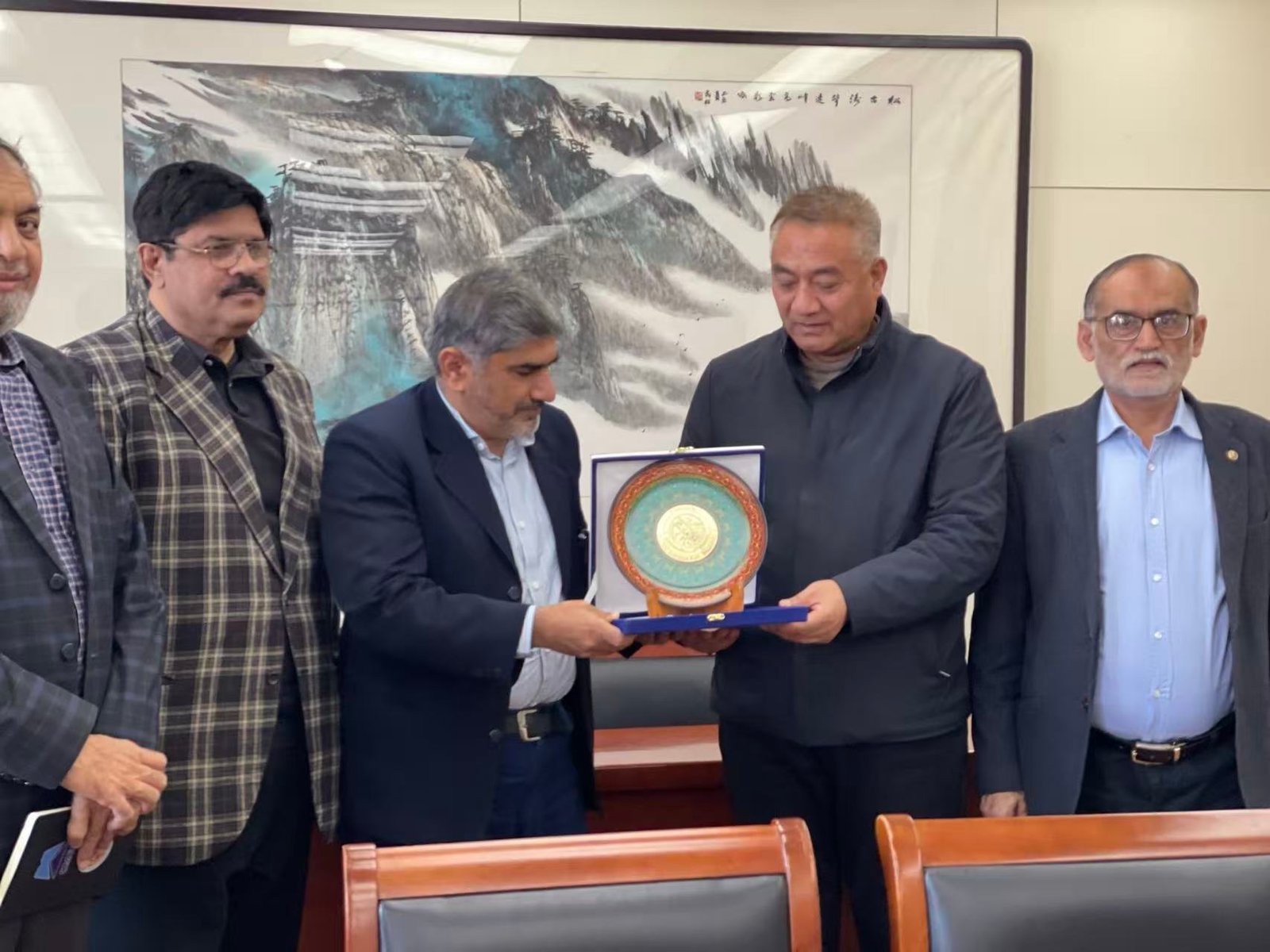
Meeting Minister of Industry PAKISTAN
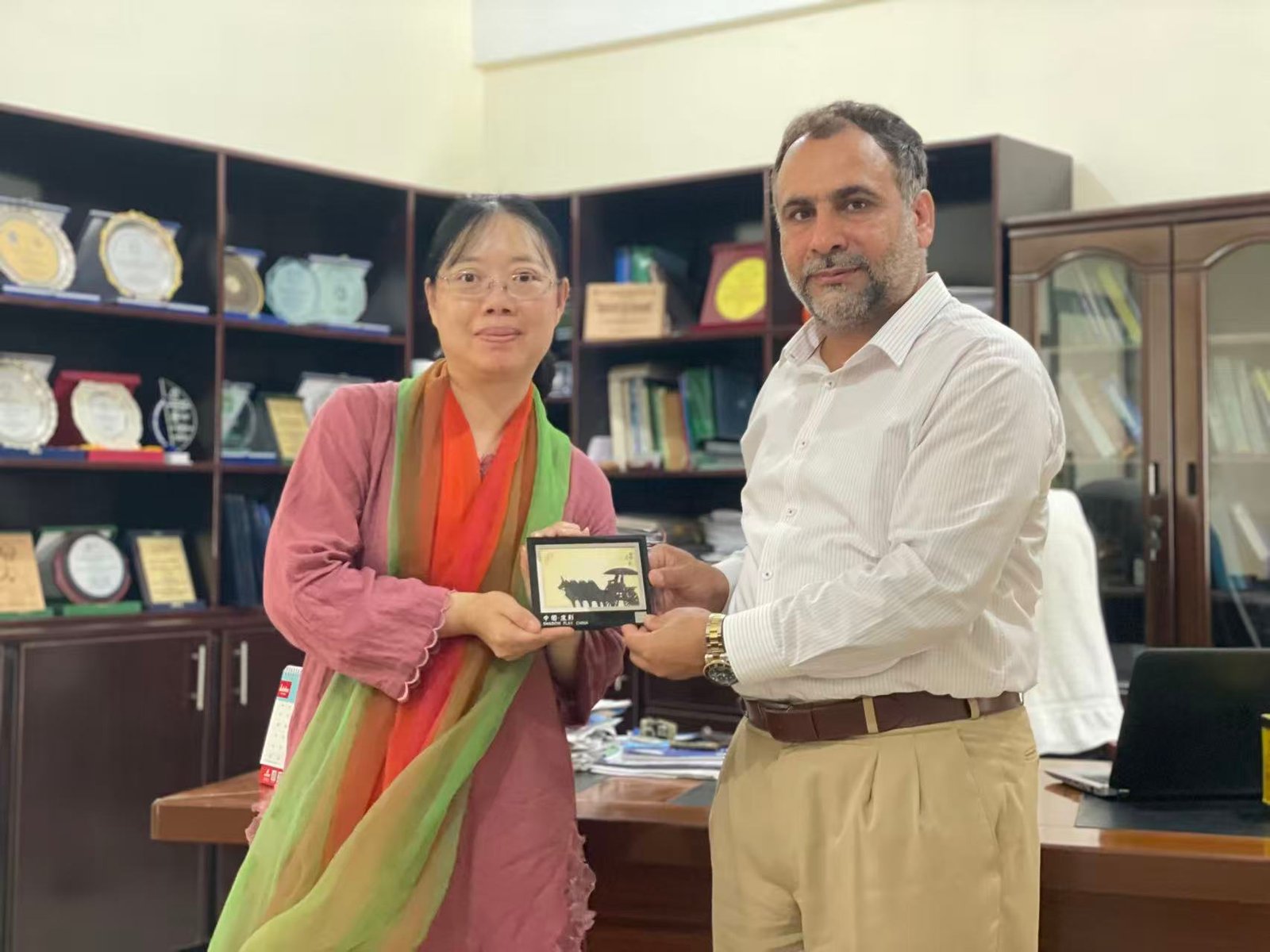
Meeting VC University of Swabi
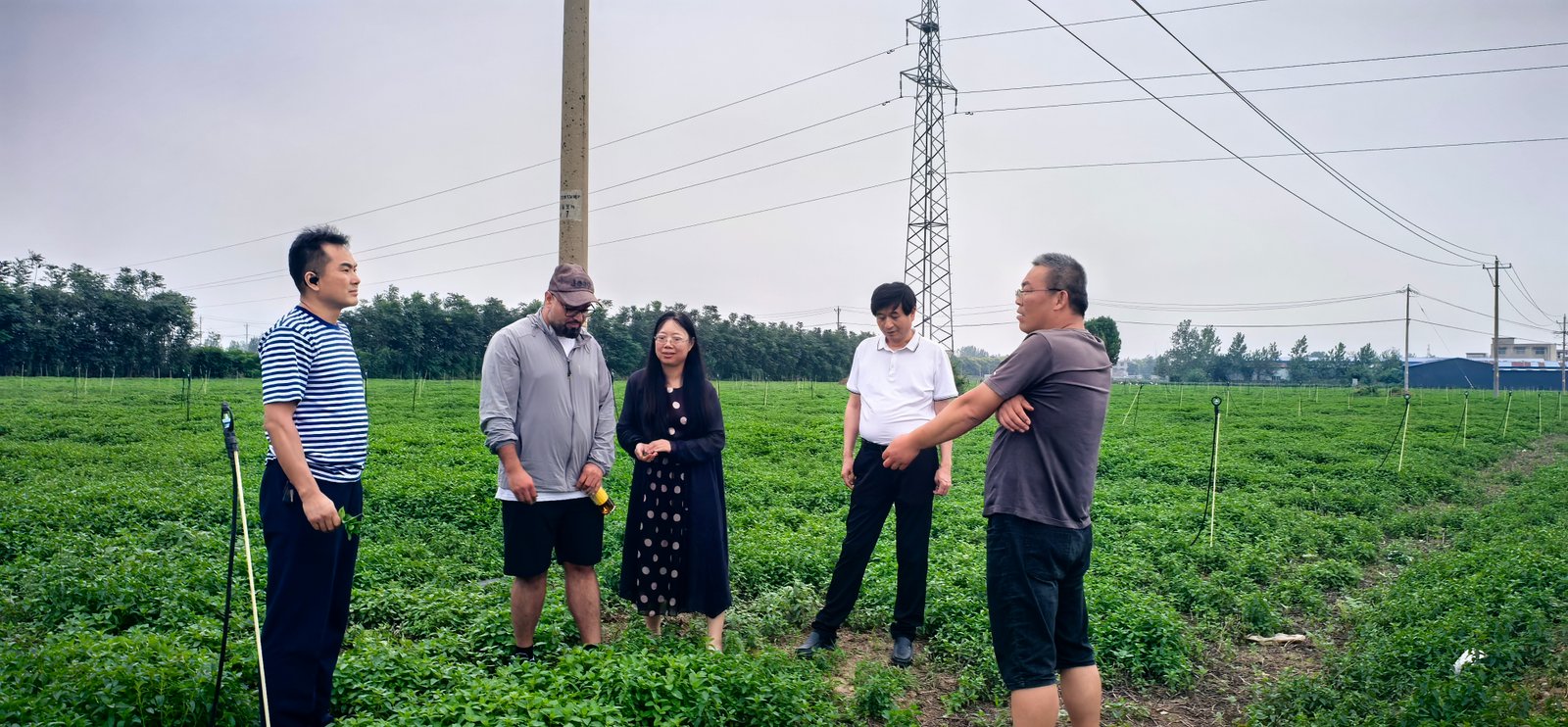
Medicinal Mint plantation PAKISTAN
Smart & Sustainable Agriculture
Medicinal Mint Harvesting PAKISTAN
CEO & Director Agriculture Research PAKISTAN
Leaders of Agriculture Department PAKISTAN
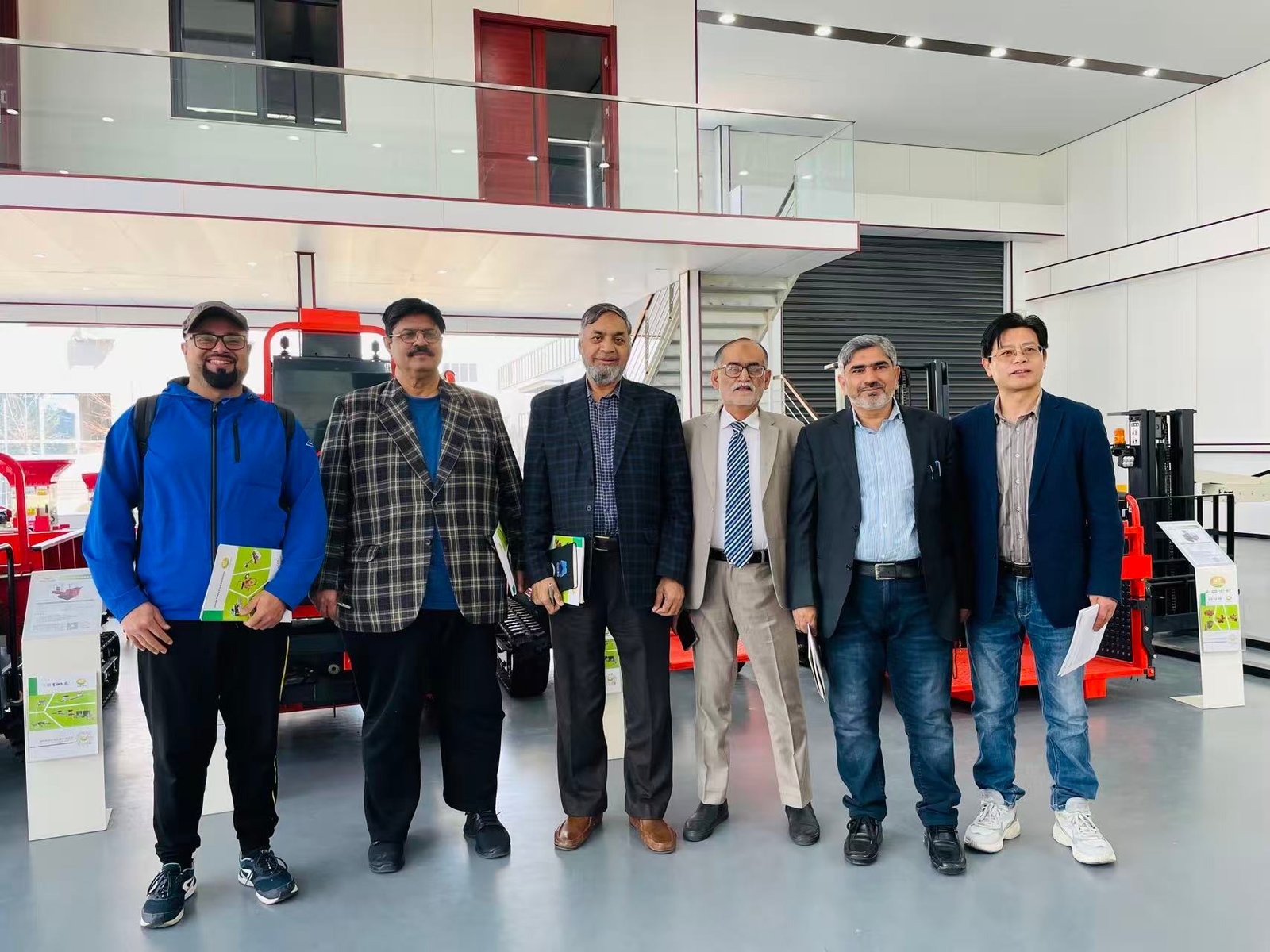
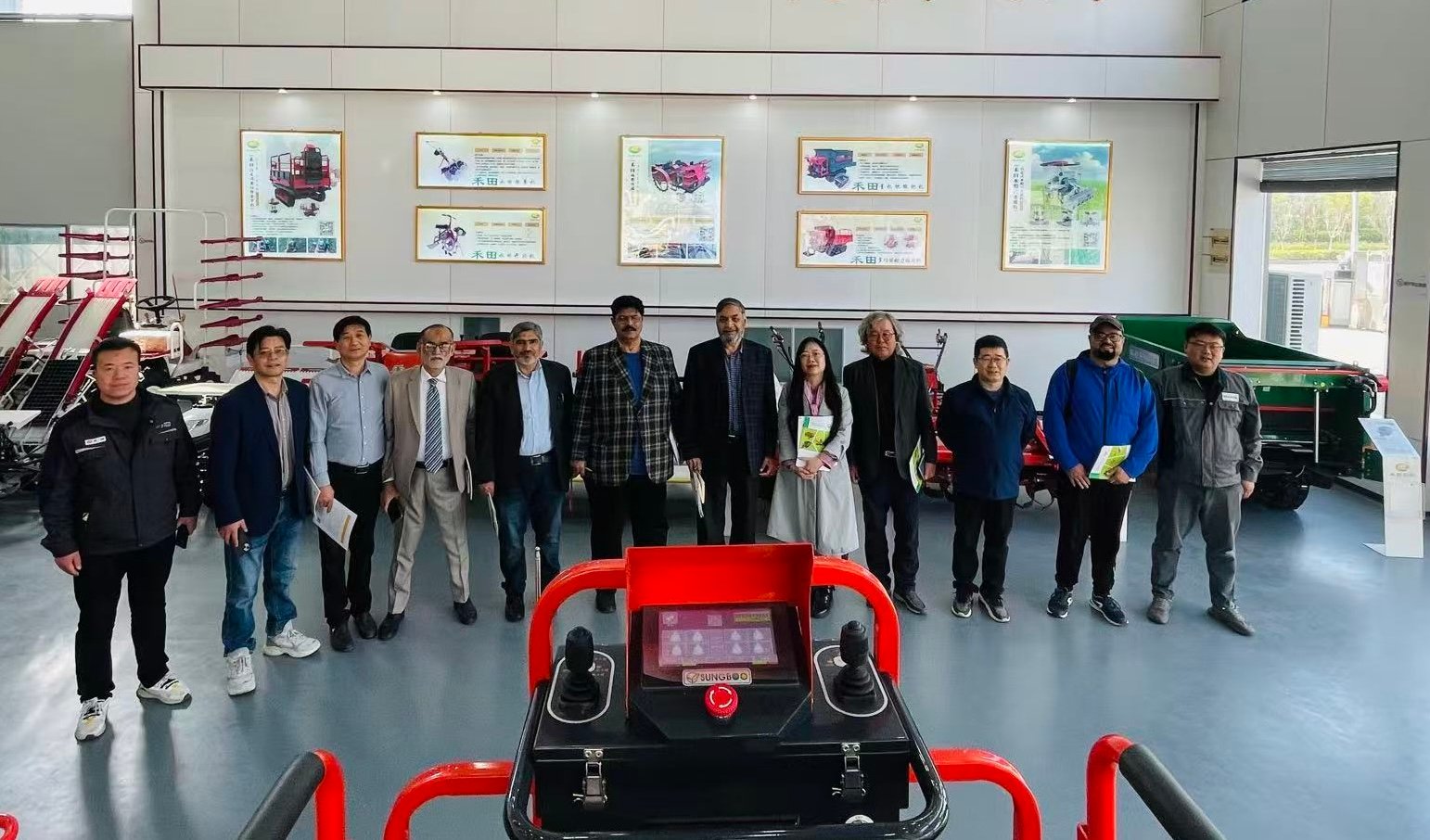
Smart Agriculture Machines
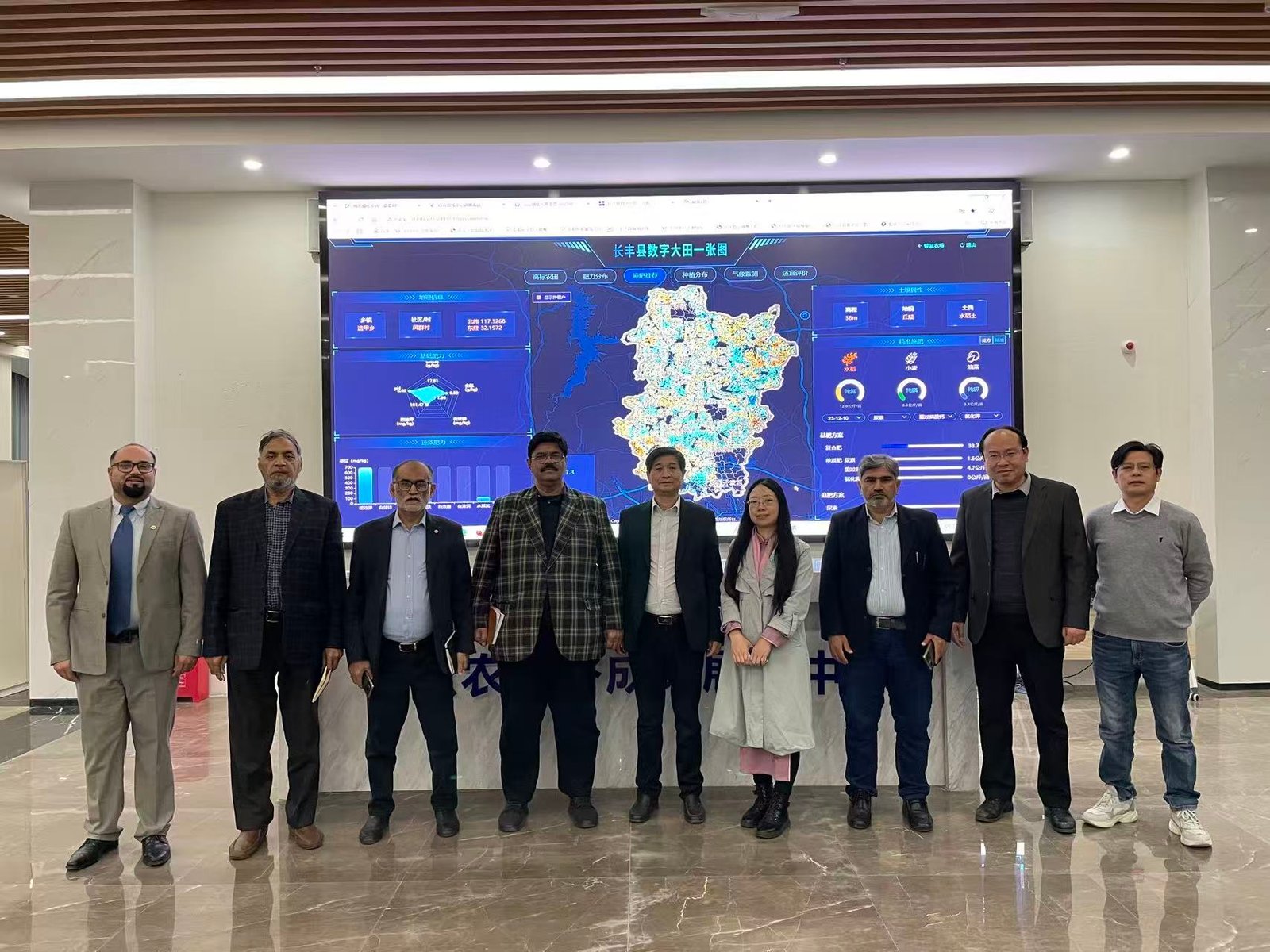
Meeting Agriculture Director ANHUI
University of Swabi MoU
Meeting Minister of Industry PAKISTAN
Meeting VC University of Swabi
Medicinal Mint plantation PAKISTAN
Smart & Sustainable Agriculture
Medicinal Mint Harvesting PAKISTAN
CEO & Director Agriculture Research PAKISTAN
Leaders of Agriculture Department PAKISTAN
Smart Agriculture Machines
Meeting Agriculture Director ANHUI
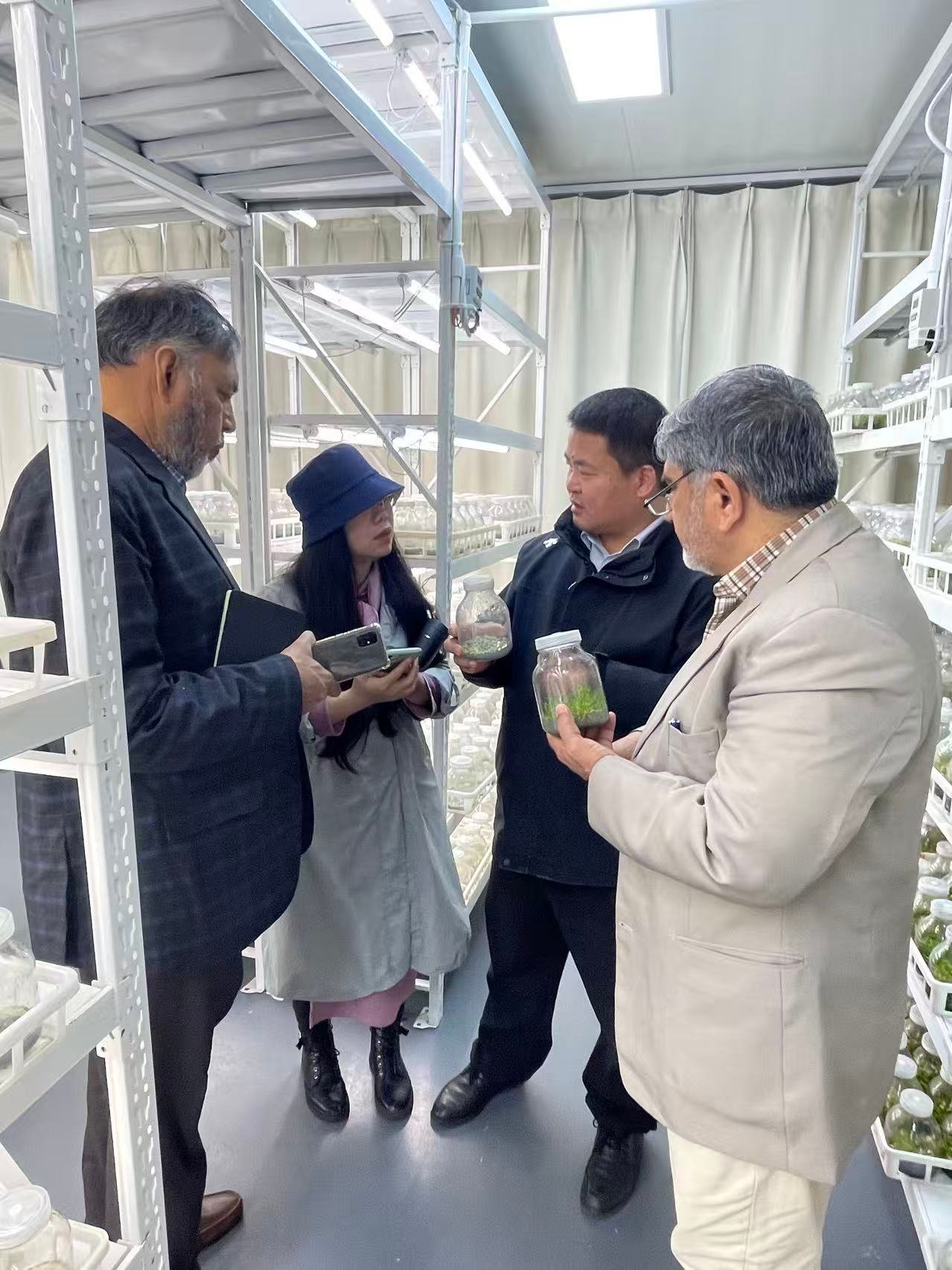
Annongda Tissue Culture laboratory
Mint Plantation Site PAKISTAN
Meeting with Ambassador of PAKISTAN
Leader of Agriculture ANHUI
Ambassador of PAKISTAN
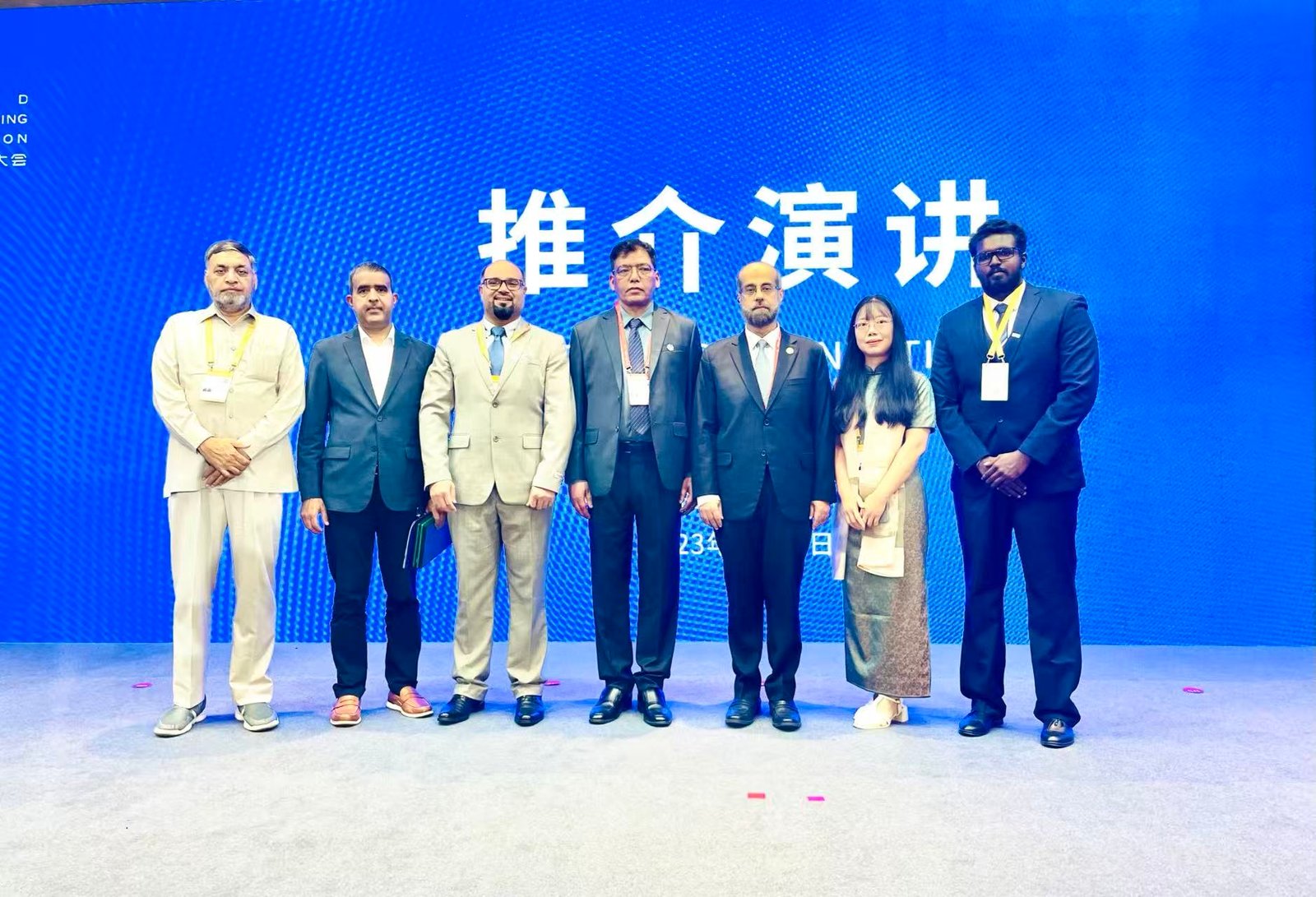
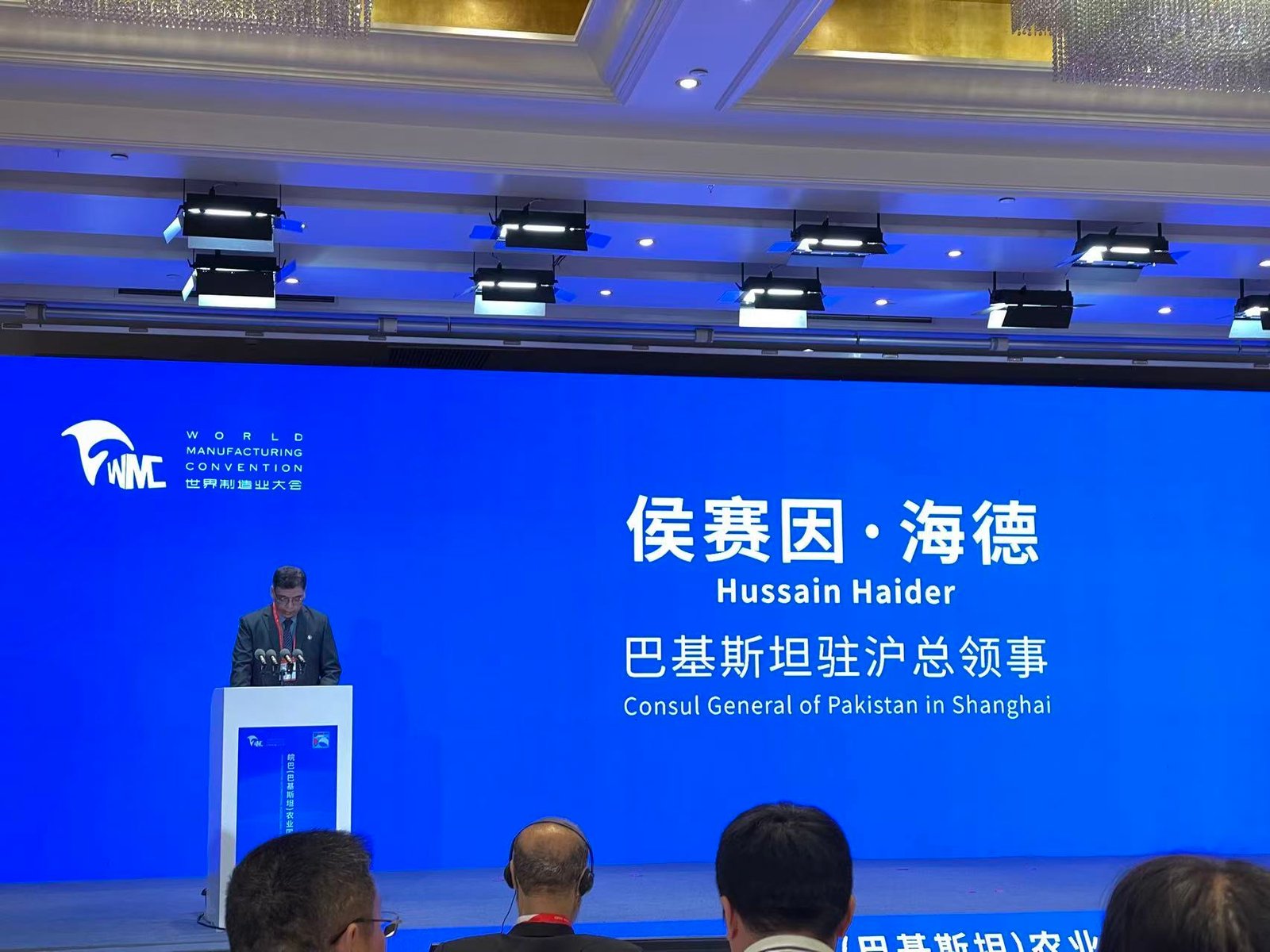
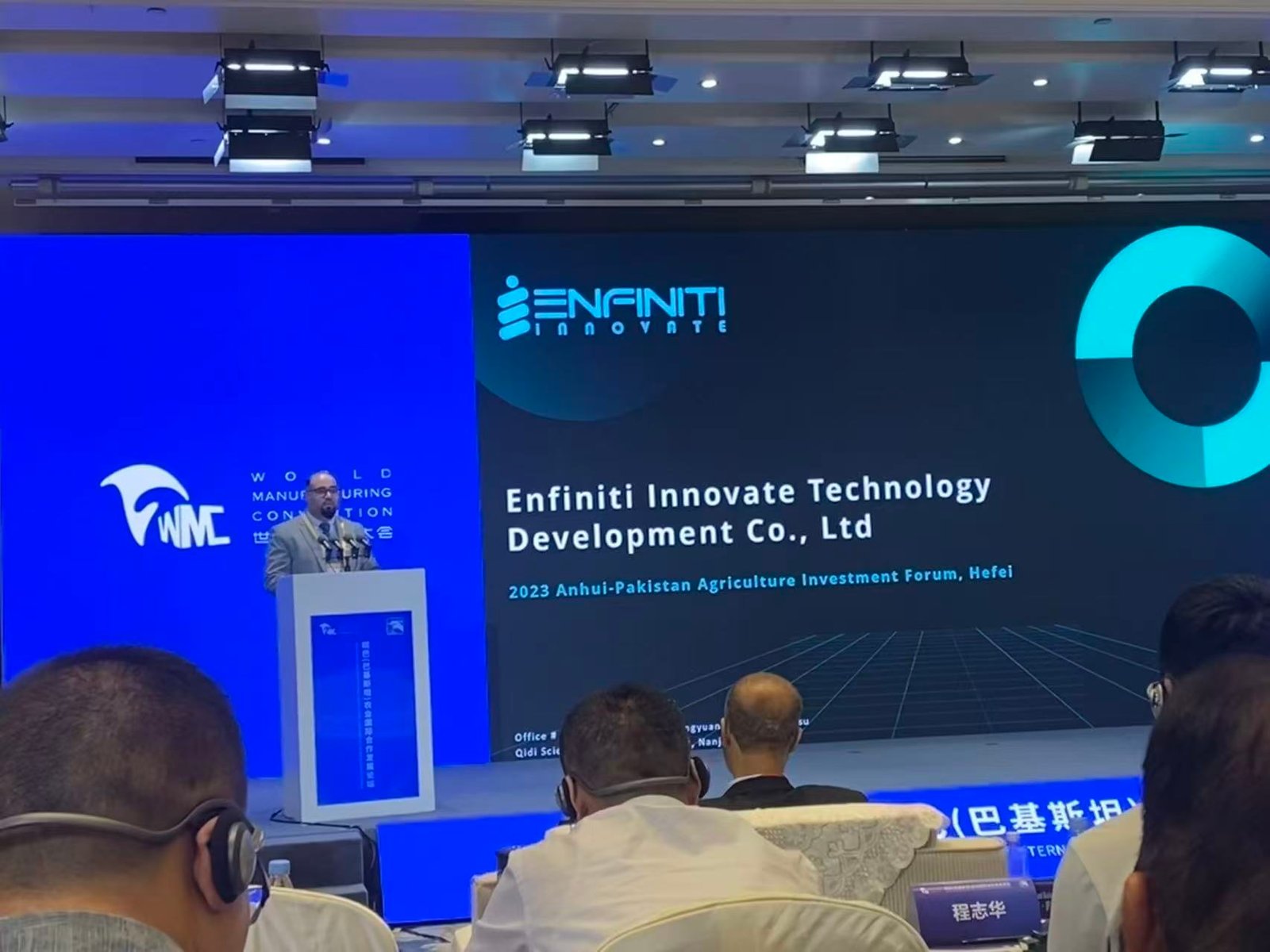
Dr. Iqbal at WMC-2024, Hefei
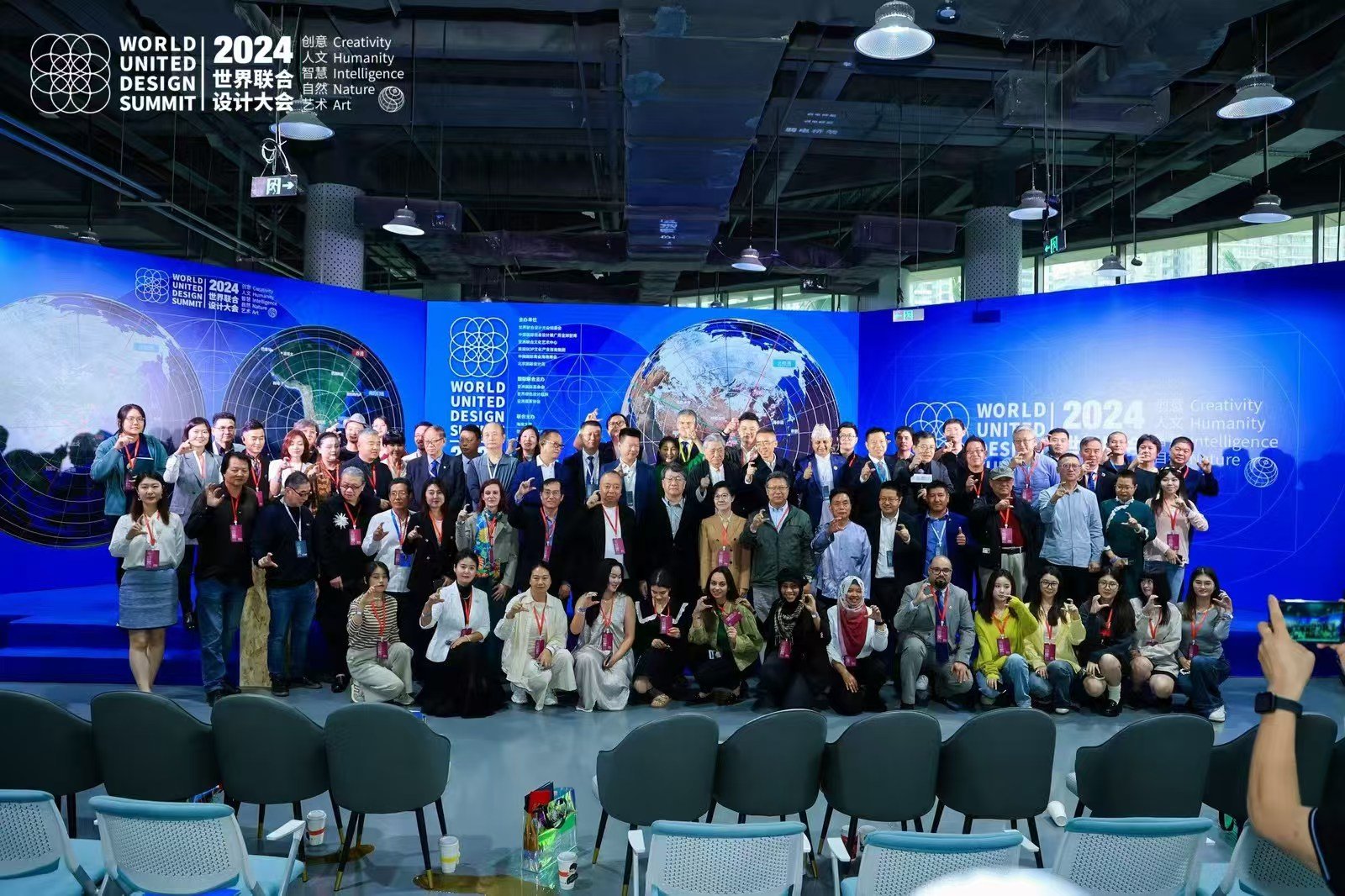
Sustainable Development Conference, Sanya
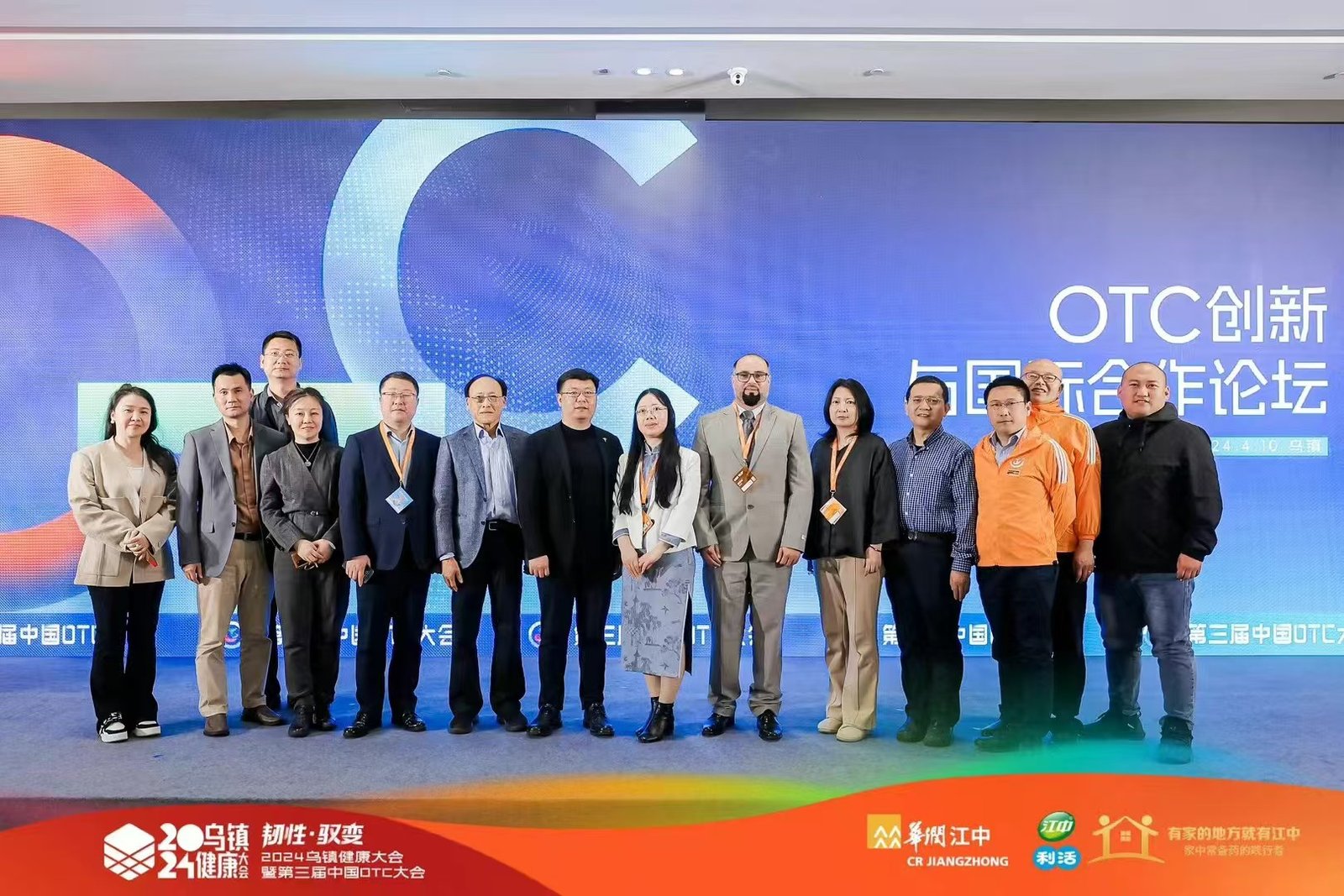
China OTC Conference
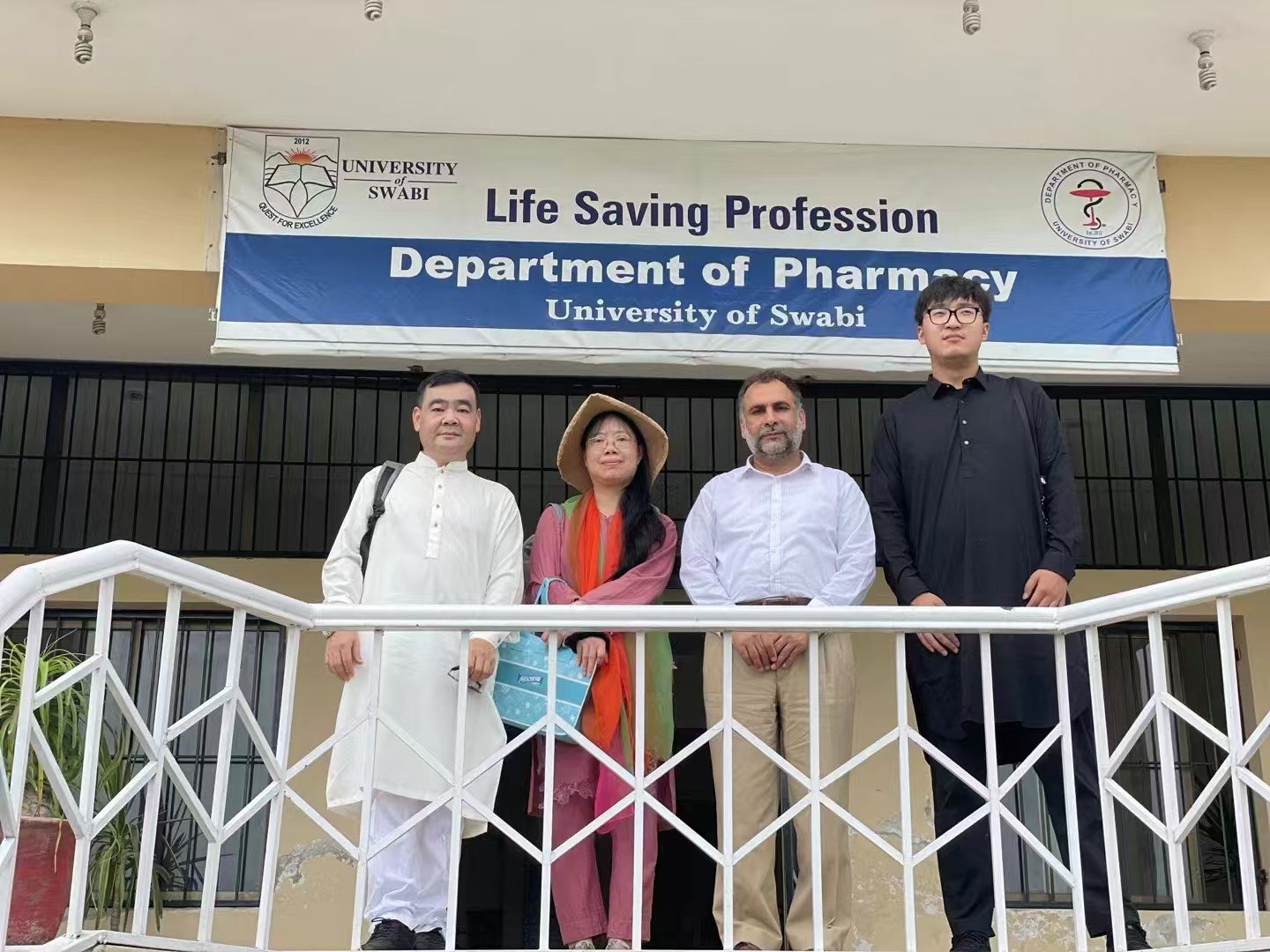
Visit to University of Swabi, PAKISTAN
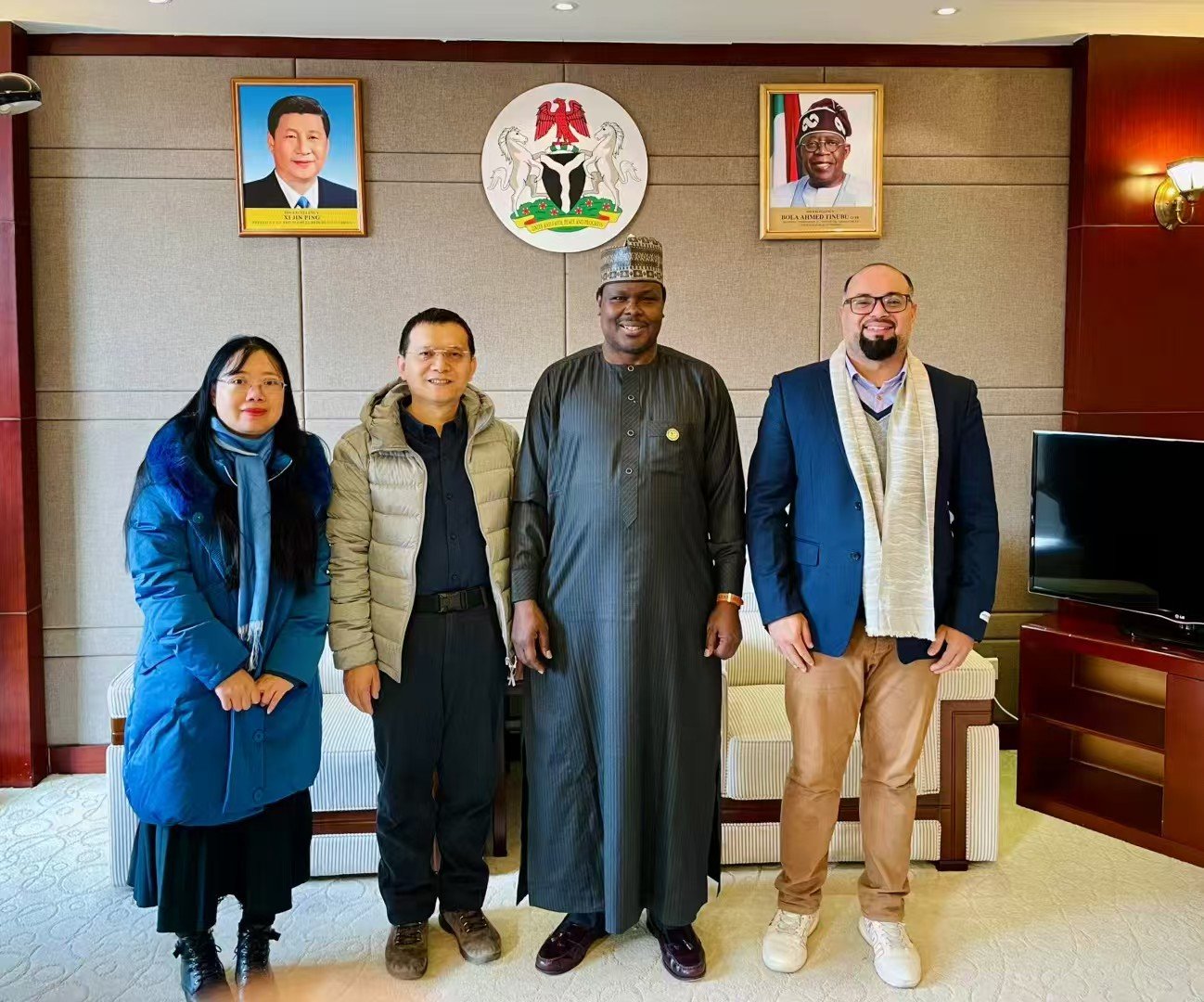
Meeting Ambassador of NIGERIA
Annongda Tissue Culture laboratory
Mint Plantation Site PAKISTAN
Meeting with Ambassador of PAKISTAN
Leader of Agriculture ANHUI
Ambassador of PAKISTAN
Dr. Iqbal at WMC-2024, Hefei
Sustainable Development Conference, Sanya
China OTC Conference
Visit to University of Swabi, PAKISTAN
Meeting Ambassador of NIGERIA
We provide smart procurement of industrial hardware and manufacturing machines, connecting companies with reliable, high-performance equipment to scale production efficiently and competitively.
Accelerating manufacturing growth by procuring mission-critical machines - helping companies reduce lead time, improve uptime, and gain a decisive production advantage. delivering smart procurement of Industry 4.0-ready manufacturing hardware, enabling up to 30-45% shorter lead times, 15-25% cost savings, and >98% equipment uptime across automation, electronics, energy, and advanced manufacturing.
With a growing global footprint, we collaborate with international partners, forward-thinking clients, and strategic collaborators to support manufacturing and technology projects across diverse markets, industries, and regions combining global reach with on-ground impact.
Enfiniti Innovate New Technology Development Co., Ltd., established in 2021, is a technology development and consulting enterprise focused on delivering advanced, scalable, and globally relevant solutions. The company operates at the intersection of preventive healthcare, smart and sustainable agriculture, renewable technologies, and international technology transfer, contributing to innovation-driven economic growth and sustainable development.
Enfiniti Innovate New Technology Development Co., Ltd., established in 2021, is a forward-thinking technology development and consulting company focused on delivering intelligent, scalable, and globally relevant solutions. We operate at the intersection of preventive healthcare, smart and sustainable agriculture, renewable technologies, and international technology transfer.
Our core focus lies in the design and deployment of next-generation health monitoring technologies that enhance individual well-being through precision, adaptability, and data-driven intelligence. In parallel, we serve as strategic advisors in technology transfer, enabling the adoption and localization of advanced innovations across global markets, particularly within Belt and Road economies. With multidisciplinary expertise in smart agriculture, renewable energy, and applied biotechnology, we develop solutions that drive sustainability, efficiency, and long-term resilience.
To develop and deliver intelligent, scalable technologies that advance preventive healthcare, enable smart and sustainable agriculture, accelerate renewable energy adoption, and facilitate global technology transfer empowering industries and communities to achieve healthier, more sustainable, and data-driven futures.
To become a globally recognized leader in innovation, shaping a future where advanced technologies seamlessly enhance human health, agricultural sustainability, and environmental resilience across interconnected ecosystems.
We integrate innovation with impact by developing solutions that are not only technologically advanced but also economically viable and socially responsible. Our approach emphasizes collaboration, adaptability, and long-term value creation.
Driving innovation through intelligent technologies
Supporting sustainable and environmentally responsible development
Strengthening global partnerships and knowledge exchange
Enabling growth across emerging and developing markets.
A pilot project of mint plantation is completed on 10 acres of land in collaboration with Punjab Agriculture Research Board (PARB), Pakistan.
Status: Completed
Location: Punjab, Pakistan
View DetailsUnder the MoU with the University of Swabi, Pakistan Enfiniti Innovate has authorized and is fully sponsoring the establishment of a dedicated research laboratory focused on essential oil extraction.
Status: In Progress
Location: Swabi, Pakistan
View DetailsNext-generation devices integrated advanced biosensors, AI-driven analytics, and user-centric design to offer real-time health monitoring, early disease detection, and tailored therapeutic recommendations — in collaboration with Carium Healthcare Innovation, Pakistan.
Status: Advanced Development
Partner: Carium Healthcare Pakistan
View DetailsNext-generation health monitoring with AI-driven analytics and personalized therapeutic recommendations. Our devices integrate advanced biosensors for real-time health tracking and early disease detection.
Intelligent agriculture solutions for optimal resource utilization and maximum yield. We implement IoT sensors, automated irrigation, and data analytics for precision farming.
Scalable clean energy solutions tailored for small and medium enterprises. We provide solar, wind, and hybrid systems with smart energy management.
Strategic consulting for sustainable innovation across developing economies. We facilitate technology adoption and adaptation for emerging markets.
Burnout, screen fatigue, irregular routines – modern lifestyles create silent risks. AI‑powered prevention turns data into early warnings.
Heart rate variability, stress levels, sleep quality – continuous analysis with personalized baselines.
AI spots irregular patterns weeks before symptoms appear. Silent inflammation?预警.
Chat with your AI assistant: “better sleep”, “reduce eye strain” – actionable tips daily.
Wearables, smartwatches, or our biosensor patch stream data to Enfiniti cloud.
Deep learning models compare your data to millions of healthy patterns.
Get notified about deviations and receive micro‑steps to improve.
"I thought I was too young to worry about health. Enfiniti AI detected my irregular sleep patterns and helped me prevent chronic fatigue before it crashed me."
AI‑assisted preventive healthcare · for the generation that acts now.
Soil is a living system. Beyond NPK, hidden residues and imbalances affect crop health, environment, and human nutrition. Enfiniti SFP‑2026 detects 30+ parameters.
LOD (mg/kg): N 2.5 · P 3.0 · K 2.0
Slope (m): 0.00221 (N), 0.00181 (P), 0.00248 (K)
All p < 0.001 · 95% CI validated with SRM 2709a
Detect toxic accumulation before it enters the food chain. Enfiniti quantifies Pb, Cr, Cd, Hg, As, Ni with 0.001 mg/kg resolution.
≤ 0.02% guaranteed · measured 0.015%
Exceeds≤ 0.1% · measured 0.08%
Exceeds±0.1 · measured ±0.05
Exceeds±2nm · measured ±1nm
CompliesAcross emerging markets, unreliable grids and rising diesel costs are being replaced by solar-plus-storage systems that deliver 24/7 power at half the lifetime cost.
Escape grid volatility and diesel dependency. Solar generators now match diesel reliability at 40–60% lower lifetime cost [citation:6].
24/7 with storage
India: rooftop solar tariffs ₹3.8–6.5/kWh vs grid ₹5.6–9.9/kWh — saving ₹3–4/kWh [citation:5]. Ghana: LCOE as low as $0.065/kWh [citation:9].
3–5 year payback typical in developing regions. US examples show 3–8 years [citation:1][citation:7]; tropics achieve even faster returns.
Launched January 2026, this off-grid system powers 4 rooms, 43" TV, laptops, and security lighting — designed for small businesses replacing diesel generators. Battery + grid hybrid charging ensures 100% uptime [citation:2].
Financing innovation: working capital facilities for solar distributors to replace diesel gensets [citation:6].
Ghana study: 38 kWp hotel system, 6.55 year payback, LCOE $0.065/kWh [citation:9].
Saudi Vision 2030: 50% of energy from renewables by 2030, driving SME adoption.
Solar undercuts grid by 30–50%, diesel by 60% [citation:5][citation:6]
Tropics achieve fastest returns due to higher yield [citation:3][citation:9]
| Year | Market Value | Growth |
|---|---|---|
| 2025 | $9.84 billion | — |
| 2026 | $11.46 billion | +16.5% |
| 2032 | $29.45 billion | CAGR 16.94% |
Source: Global Off-Grid Solar Market Report 2026 [citation:10]
Ring-fenced credit lines for solar distributors enable inventory and installation without collateral stress [citation:6].
Recognition of solar equipment and receivables as collateral — reduces lender risk [citation:6].
Energy service companies (ESCOs) install at zero upfront cost; repayment from energy savings over 2–4 years [citation:5].
69 million MSMEs contribute 45.7% of exports, 30% of GVA. NITI Aayog roadmap: 6,031 MW solar potential in top 10 clusters, reducing emissions by 12.9 MtCO₂e [citation:5].
Rooftop solar tariffs as low as ₹3.8/kWh vs grid ₹9.9/kWh — savings of ₹3–4/kWh under capex models [citation:5].
For SMEs in developing regions, off-grid solar is no longer a compromise — it's the smartest financial decision.
Technology transfer is no longer a one-way flow from developed to developing nations. Today's most impactful model is horizontal—peer-to-peer knowledge sharing between developing economies, south-south collaboration, and multi-stakeholder partnerships that build indigenous capacity.
WIPO 2026 report: technology diffusion speed has accelerated 54% in the past decade. Digital technologies now reach developing markets within days of launch [citation:9].
From scientific discovery to innovation now averages 10 years—but adoption gaps between developed and developing economies are shrinking faster than ever [citation:9].
Africa's mobile payment revolution and Southeast Asia's renewable energy adoption demonstrate how horizontal transfer enables skipping legacy technologies [citation:9].
19th century technologies took 40-60 years for global spread; modern digital technologies achieve near-instantaneous diffusion [citation:9].
BIS 2026: AI preparation varies dramatically—some Asian and Middle Eastern economies lead in infrastructure but lag in skills and institutions [citation:2].
A landmark $4 million tripartite project executed under UNDP and Chinese Ministry of Science and Technology frameworks. This demand-driven initiative brought together government ministries, universities, and research institutions to transfer renewable energy technologies [citation:1].
From Ethiopia's Ministry of Water and Energy, Sri Lanka's Sustainable Energy Authority, and Chinese universities participated in capacity building [citation:1].
Hands-on training included site visits to biomass and photovoltaic demonstration projects, enabling direct technology observation [citation:1].
Recognized by the United Nations as an exemplary model for South-South and triangular cooperation [citation:1].
"The project outcomes were selected as 'Outstanding Practices for South-South and Triangular Cooperation with Least Developed Countries'—a testament to the power of horizontal collaboration." — UN Development Programme [citation:1]
International清算银行 2026 report warns: AI-driven productivity gains will widen cross-country inequality unless developing nations rapidly acquire technological capabilities [citation:2].
Key barriers: digital infrastructure, skills, institutional capacity [citation:5].
Technology transfer reduces development risks and costs. Korean companies like Hyundai and Alteogen exemplify how acquiring external technology accelerates market leadership [citation:10].
ADB's IPEx Cleantech Asia: developing Asia needs rapid low-carbon technology transfer to mitigate climate impacts. Average transaction size: $2–5 million [citation:8].
Key recommendations for emerging economies [citation:7]:
ORNL's technology transfer marathon: superhydrophobic coatings took 20+ years from lab to market—now extending offshore equipment maintenance cycles from 3-4 years to 12-15 years [citation:3].
Key lesson: "Innovation is not limited to an instant spark. It takes time and the willingness to collaborate." — Jennifer Caldwell, ORNL Technology Transfer Director [citation:3].
28 science-based spin-offs emerged from 686 IP portfolio entries. Model includes technology intelligence, product development, and venture creation phases with up to $250,000 in-kind support [citation:6].
Impact: 2.5-3 licenses per spin-off, external funding secured for 4+ ventures, partnerships with Draper Associates and Dalus Capital [citation:6].
Since 2006, Australian ODA has been untied—allowing non-Australian organizations to bid for contracts, ensuring cost-effective technology transfer to LDCs [citation:4].
KIPO aims to grow IP transaction experts from 17 to 100 by 2030, facilitating matching between technology suppliers and demanders [citation:10].
Singapore-based exchange brokers clean energy technology transfers, with average transaction size $2–5 million [citation:8].
WIPO 2026 warns: geopolitical tensions may redefine technology diffusion trajectories. Tariffs and trade restrictions now directly alter adoption curves [citation:9].
For developing economies, horizontal collaboration offers the most viable path to leapfrog legacy systems, build indigenous capacity, and participate equitably in the global innovation economy. The frameworks are proven; the financing is available; the imperative has never been clearer.
A successful pilot project of mint plantation completed on 10 acres of land in collaboration with the Punjab Agriculture Research Board (PARB), Pakistan — demonstrating the power of public-private partnership in agricultural innovation.
Research from Punjab Agricultural University confirms that Japanese mint (Mentha arvensis) thrives in Punjab's agro-climatic conditions. A 2023 study demonstrated optimal yields with planting in mid-February and harvesting at 145 days after planting [citation:1].
Source: Punjab Agricultural University, 2023 [citation:1]
Variety comparison: CIM Unnati leads in oil yield [citation:1]
Validated Japanese mint cultivation viability in Punjab's agro-ecological conditions, establishing a replicable model for smallholders.
Strengthened collaboration between PARB and Enfiniti Innovate, aligning with Pakistan's push for agri-tech partnerships [citation:5][citation:9].
Created sustainable farming practices and economic opportunities for local farming communities in Punjab.
Recent ethnobotanical research in Punjab (2025) confirms that Mentha species have been traditionally used by local communities to manage gastrointestinal disturbances, respiratory illnesses, and immune deficiencies — validating the therapeutic value of the crops cultivated in this project [citation:8].
Mint cultivation offers Punjab farmers a viable alternative to traditional wheat-paddy rotation. Industry experts have long recognized contract farming of mint as providing farmers predetermined prices, quality inputs, and technical guidance [citation:3].
Contract farming growth in Punjab, 2001-2003 [citation:3]
Research emphasizes that integrated nutrient management combining NPK fertilizers with organic manure (FYM, vermicompost, poultry manure) optimizes mint growth and yield [citation:10]. Enfiniti's soil testing expertise played a crucial role in this project.
Precision soil analysis ensuring optimal nutrient application
Based on PAU research soil profiles [citation:1]
"This pilot project demonstrates the power of collaboration between research institutions and private enterprise. The successful mint cultivation on 10 acres validates the potential for aromatic crops to transform Punjab's agricultural landscape."
In November 2025, Pakistan launched its first-ever public-private genomics joint venture to revolutionize food security and biotechnology, with the Federal Minister for National Food Security emphasizing that such partnerships "strengthen national research institutions and promote agricultural innovation" [citation:5][citation:9].
The Enfiniti-PARB mint plantation project embodies this vision, demonstrating how collaborative initiatives can:
The successful completion of this 10-acre pilot establishes a replicable model for mint cultivation across Punjab. With demonstrated yields of 265+ q/ha and oil yields up to 200 L/ha, scaling to 100+ acres could generate significant economic impact for farming communities while strengthening Pakistan's position in the global essential oils market.
Enfiniti Innovate, in partnership with Carium Healthcare Innovation Pakistan, is developing next-generation AI-assisted preventive healthcare devices that combine advanced biosensors, real-time analytics, and personalized therapeutic recommendations.
Multi-parameter vital signs monitoring including heart rate, blood pressure, SpO₂, temperature, and electrodermal activity for comprehensive health tracking.
Machine learning algorithms analyze physiological patterns to detect anomalies and predict health trends before symptoms manifest.
Proprietary algorithms identify early warning signs of cardiovascular conditions, metabolic disorders, and other preventable diseases.
Tailored therapeutic suggestions based on individual health data, lifestyle factors, and clinical guidelines.
Secure, encrypted health data accessible to patients and authorized healthcare providers for continuity of care.
Intuitive interfaces designed for all age groups, with seamless integration to smartphones and family caregiver dashboards.
Pakistan's healthcare system faces unique challenges that AI-assisted preventive solutions can address: a large young population, rising non-communicable diseases, and limited access to specialized care in rural areas.
Non-communicable diseases as % of total deaths
AI early detection can reduce complications by 40-60%
"Pakistan's healthtech sector is poised for exponential growth, with AI-driven preventive care offering the most scalable solution to reach underserved populations." — Carium Healthcare Innovation
Concept & Feasibility
Prototype Design
Lab Testing
Clinical Trials
Commercial Launch
Global AI in healthcare market (USD billions)
AI healthcare adoption rates by region
Building on Enfiniti's proven expertise in precision instrumentation, the AI healthcare device incorporates the same rigorous calibration and stability standards demonstrated in our soil testing equipment.
Supporting Pakistan's commitment to UHC through accessible, affordable preventive care technologies.
Addressing the rising burden of non-communicable diseases through early detection and lifestyle intervention.
Accelerating Pakistan's digital health ecosystem through public-private partnerships.
"Our collaboration with Enfiniti Innovate combines Carium's healthcare expertise with Enfiniti's precision engineering capabilities. Together, we are developing solutions that will transform how Pakistan's population monitors and manages their health."
With prototype testing underway and commercial launch scheduled for Q4 2026, the Enfiniti-Carium AI-assisted preventive healthcare device represents a significant milestone in Pakistan's journey toward becoming a hub for health technology innovation. By combining advanced biosensors, AI analytics, and user-centric design, we are making preventive healthcare accessible, affordable, and effective.
Enfiniti Innovate has entered into a landmark Memorandum of Understanding with the University of Swabi, Pakistan, to establish a state-of-the-art research laboratory dedicated to essential oil extraction and pharmaceutical research from indigenous medicinal plants.
Pakistan's diverse flora includes numerous aromatic and medicinal plants with significant potential for essential oil extraction and pharmaceutical applications.
High menthol content, ideal for pharmaceutical and food industries
Natural sweetener with medicinal properties
Essential oils for respiratory and antimicrobial applications
Calming and therapeutic essential oils
Antioxidant and cognitive enhancement properties
Diverse indigenous species with untapped potential
"This collaboration with Enfiniti Innovate represents a significant milestone for the University of Swabi. The establishment of this essential oil research laboratory will not only advance our scientific capabilities but also create economic opportunities for local communities through value-added processing of indigenous medicinal plants."
The UoS essential oil research laboratory represents the first phase of a broader strategy to develop Pakistan's aromatic and medicinal plant sector. Future phases will include pilot-scale extraction facilities, industry partnerships for product development, and export-oriented commercialization of high-value essential oils derived from Pakistan's unique biodiversity.
Senior leadership from the Punjab Agriculture Research Board (PARB) visited Enfiniti Innovate to formalize a wide-ranging collaboration focused on high-value medicinal and aromatic crops, marking a significant milestone in Pakistan's journey toward agricultural modernization and value-added exports.
Pakistan's agricultural exports have demonstrated significant potential, with total exports of sesame, fruits, vegetables, rice, and other commodities surpassing $7 billion in the current fiscal year. However, the recent 17.32% dip in non-textile exports to $7.286 billion underscores the urgent need for diversification and value addition.
Pakistan has garnered $1.5 billion from sesame exports this year, with a remarkable 277% increase in cultivation acreage and a 300% surge in production compared to the previous year.
Sesame export growth 2025-2026
Non-textile exports breakdown
Dr. Amir Rasool, DG Agriculture Pest Warning Punjab, emphasized that adopting modern technology could potentially triple sesame exports to $3 billion within the next few years. This demonstrates the transformative potential of value-added agriculture.
Pakistan's diverse agro-ecological zones offer ideal conditions for high-value medicinal and aromatic plants, with growing global demand for natural ingredients in pharmaceuticals, nutraceuticals, and cosmetics.
Global menthol market valued at $1.2 billion. Pakistan's Punjab region offers ideal conditions for high-yield mint cultivation with oil yields up to 200 L/ha.
Natural zero-calorie sweetener market growing at 8.5% CAGR. Pakistan imports most stevia products despite ideal cultivation conditions.
Growing demand for processed sweet potato products in health food sector. Value-added processing can increase farmer returns by 300-400%.
Pakistan's citrus exports currently stand at around $250 million, with industry experts projecting potential to reach $1 billion within six years through diversification and value-added processing.
Citrus export potential with value addition
Federal Minister Ahsan Iqbal has articulated a clear vision: "Our goal is to move up on the value chain. We want to move from commodity supplier in agriculture to value-added supplier in agriculture and food industry".
| Product | Raw Value | Processed | Multiplier |
|---|---|---|---|
| Mint Leaves | $2/kg | $25/kg (oil) | 12.5x |
| Stevia Leaves | $3/kg | $40/kg (extract) | 13.3x |
| Sweet Potato | $0.5/kg | $4/kg (flour) | 8x |
Agriculture has been officially elevated as a priority area of cooperation under the second phase of the China-Pakistan Economic Corridor (CPEC). The recent Pakistan-China Agri Investment Conference (January 19, 2026) resulted in 79 Memoranda of Understanding (MoUs) between Pakistani and Chinese companies with an approximate investment value of USD 4.5 billion.
The 10 priority sub-sectors identified for investment include food processing and value addition, agri-technology, fruits and vegetables, and animal feed — all directly aligned with the Enfiniti-PARB collaboration.
"The scale and depth of investment commitments reflect a decisive shift from dialogue to on-ground, investment-led collaboration. These investments will modernize Pakistan's agricultural value chains, introduce advanced production and processing technologies, and significantly enhance productivity."
Market size in USD billions (2025-2032)
Projected medicinal herb exports by 2030
Industry analysts project that with sustained investment in value-added processing, Pakistan's medicinal and aromatic plant exports could reach $500-700 million annually by 2030, creating thousands of rural jobs and significantly boosting farmer incomes.
Pakistan has a rich tradition of herbal medicine, with the Unani and Ayurvedic systems deeply integrated into the cultural fabric. However, the country currently imports significant quantities of herbal raw materials and extracts that could be domestically produced.
Primary source of menthol for pharmaceuticals, cough syrups, and topical analgesics. Pakistan currently imports menthol worth millions annually.
Natural sweetener for diabetic and health-conscious consumers. Growing demand in nutraceutical and functional food sectors.
Rich in beta-carotene and antioxidants; processed into flour, starch, and functional food ingredients for health products.
The olive sector's evolution offers a compelling parallel: from 55,000 acres under cultivation in 2025 to an estimated 60,000 acres in 2026, with 51 olive extraction units now established and international recognition for quality. The Enfiniti-PARB collaboration aims to replicate this success for medicinal and aromatic crops.
The PARB leadership visit marks the beginning of a transformative partnership that will unlock the value of Pakistan's agricultural biodiversity. By focusing on high-value medicinal and aromatic crops, investing in value-added processing, and building sustainable supply chains, this collaboration directly addresses the critical need to diversify exports and move Pakistan up the global value chain.
With sesame already demonstrating the potential for 300% growth, the stage is set for Japanese mint, Stevia, and Sweet potato to become the next success stories in Pakistan's agricultural export portfolio.
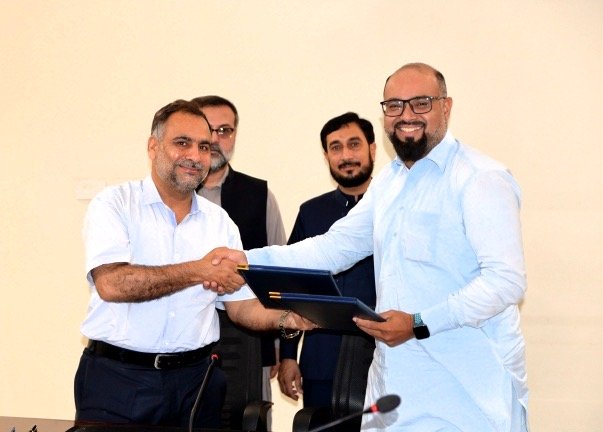
Enfiniti Innovate and the University of Swabi formalized a landmark partnership through the signing of a Memorandum of Understanding (MoU) at the University of Swabi, marking a significant milestone in Pakistan's journey toward value-added agricultural processing and indigenous medicinal plant research.
Under the terms of this strategic MoU, Enfiniti Innovate has already delivered partial and consumable laboratory equipment for experimental procedures to extract essential oils from local herbs and plants. This investment in research infrastructure will enable cutting-edge research and aromatic applications.
Extraction and characterization of essential oils from indigenous medicinal plants and herbs found abundantly in Khyber Pakhtunkhwa.
Partial and consumable laboratory equipment delivered for experimental procedures, enabling immediate commencement of research activities.
Research into pharmaceutical, cosmetic, and nutraceutical applications of locally sourced essential oils.
Pakistan is home to more than 500 varieties of medicinal herbs, many of which are in high demand in international markets. However, the country currently lacks local processing industries to capitalize on this natural wealth.
Market size in USD billions (2025-2032)
Essential oil import growth rates
A key pillar of this partnership is the commitment to train local farmers for the production and development of required herbs, which the company will procure as raw material. This contract farming model ensures:
Predetermined prices and guaranteed procurement provide stable income streams for farming families.
Training programs equip farmers with modern agricultural techniques for high-value medicinal crops.
Value addition occurs locally, capturing economic benefits within Pakistan rather than exporting raw materials.
Various species of medicinal plants are found across Khyber Pakhtunkhwa. However, no industries for their utilization are available at local level. The establishment of this project could be utilized for commercial and economic development. — Abdul Karim Khan Tordher, Special Assistant to KP CM on Industries, Commerce and Technical Education
The Pakistan essential oil market faces several structural challenges that this partnership directly addresses:
| Product | Raw Material | Essential Oil | Multiplier |
|---|---|---|---|
| Eucalyptus | $1-2/kg | $15-25/kg | 12-15x |
| Tobacco | $2-3/kg | $30-40/kg | 13-15x |
| Medicinal Herbs | $1-4/kg | $20-50/kg | 10-20x |
The Government of Pakistan has implemented policies to promote the growth of the essential oil market, including:
Industry experts emphasize that with strong government support, Pakistan has the potential to earn valuable foreign exchange through the export of organic food items and medicinal herbs to Europe, the Middle East, and North America.
The MoU signing between Enfiniti Innovate and the University of Swabi represents a pivotal moment in Pakistan's journey toward value-added agricultural processing. By combining academic research excellence with industrial investment, this partnership will unlock the economic potential of Khyber Pakhtunkhwa's rich medicinal plant biodiversity.
With laboratory equipment already delivered and research activities underway, the foundation has been laid for Pakistan to emerge as a significant player in the global essential oils market — creating sustainable livelihoods for local farmers, strengthening the national economy, and reducing dependence on imported essential oils.
Enfiniti Innovate facilitated a landmark visit by senior leadership from the Punjab Agriculture Research Board (PARB) and the Government of Punjab's Soil Institute to meet with agricultural technology leaders in Anhui Province, China — a province renowned for its agricultural innovation and research excellence.
Witnessed advanced tissue culture techniques for rapid propagation of high-yielding crop varieties. Anhui's research institutions have established world-class protocols for plant tissue culture and micropropagation.
Explored hybrid rice, maize, and vegetable seed breeding programs. Chinese companies like Anhui SunGu have over 12 years of experience in Pakistan and are seeking to expand localised seed breeding operations.
Demonstrations of state-of-the-art equipment for sowing, cultivation, and harvesting, showcasing the mechanization that has driven China's agricultural productivity gains.
High-Level Meetings with Anhui Agriculture Department
Annongda Agriculture Technology Tour
Rice Institute Hefei & Tissue Culture Labs
Agricultural Machinery Demonstrations
Pakistan's agriculture sector, which employs 38% of the workforce and contributes significantly to GDP, stands at the cusp of a technological transformation. With vast fertile land and a young population, the potential to become South Asia's leader in modern smart agriculture is within reach.
Pakistan demonstrates a hybrid adoption path combining institutional and individual-level acceptance
Farmers using ICAS saved 2-3 irrigation cycles, reducing costs by Rs. 9,000-10,000 per season
Punjab alone has enough land to potentially clear national debt in 10 years with optimized agriculture
Four seasons and diverse agro-ecological zones suitable for varied crops
64% under 30, tech-savvy generation ready for digital agriculture
Agriculture elevated as priority sector under CPEC Phase II
"I saved at least two irrigation cycles for my cotton crop. My father was about to use the tubewell, but I checked the ICAS app and saw rain was forecast in two days. We waited, it rained and we saved water and electricity. ICAS saved us around Rs. 9,000–10,000."
The January 2026 Pakistan-China Agriculture Investment Conference resulted in 79 Memoranda of Understanding (MoUs) with an approximate investment value of USD 4.5 billion. Anhui province has emerged as a key partner, with multiple agreements signed in sectors including:
Jin Shao, Manager of the International Department at Anhui SunGu Agritech, emphasized: "The next phase of growth would centre on deeper localisation, including breeding and production within Pakistan, which is critical for future development."
Chinese breeding technologies can outperform older local seed varieties, helping farmers increase productivity significantly. Higher yields create opportunities for farmers to earn more, support exports and generate broader benefits for the agricultural economy.
Chinese companies are engaged in a wide range of seed businesses in Pakistan, including:
Recent studies highlight that infrastructure readiness, digital capability, and institutional coordination are decisive factors for scaling AI in agriculture across South Asia. Pakistan demonstrates a hybrid adoption path combining institutional support and individual farmer acceptance.
Dr. Muhammad Khurram, founder of Crop2X, notes: "This is the perfect time for using technology especially in the aftermath of recent floods. By measuring electrical conductivity, salinity, micronutrient levels, and soil moisture, we can determine whether the land remains cultivable."
Industry experts project that with sustained investment in technology transfer and value-added processing, Pakistan can achieve:
"Pakistan is sitting on a gold mine with Punjab alone having enough land to easily clear our national debt in just ten years. Our government must believe — agriculture is our only saviour!"
— Manghi, Co-founder, Farmdar
The successful visit by Pakistani agricultural leaders to Anhui province marks a significant milestone in the bilateral agricultural cooperation under CPEC. By exposing Pakistani institutions to China's advanced tissue culture technologies, seed breeding programs, and modern farming machinery, Enfiniti Innovate is helping bridge the technology gap and positioning Pakistan to become South Asia's leader in smart agriculture.
With 79 MoUs already signed and USD 4.5 billion in committed investment, the foundation has been laid for a transformative partnership that will enhance food security, boost farmer incomes, and drive sustainable agricultural development across Pakistan.
Building on the unprecedented success of the 2023 convention, which attracted 1.6 million participants and 974 exhibitors from 31 countries, the 2024 World Manufacturing Convention in Hefei continued to serve as a premier global platform for manufacturing innovation and international cooperation.
The 2023 convention set new records across all metrics, establishing Hefei as a premier destination for global manufacturing dialogue.
Chief Executive Officer, Enfiniti Innovate
Invited as a distinguished speaker at the World Manufacturing Convention 2024, Dr. Sami Iqbal addressed an audience of global manufacturing leaders, policymakers, and industry experts on the transformative potential of Pakistan-China agricultural collaboration.
The World Manufacturing Convention has consistently attracted world-renowned speakers, including Nobel laureates and industry titans. Previous editions featured Nobel Physics laureate George Smoot, BYD Chairman Wang Chuanfu, and leaders from Volkswagen, Siemens, and Continental. Dr. Iqbal's inclusion among this distinguished group underscores Enfiniti Innovate's growing recognition as a key player in Pakistan-China technology transfer.
On the sidelines of the World Manufacturing Convention, Dr. Sami Iqbal held a strategic meeting with the Pakistan Consul General in Hefei. The discussion centered on leveraging Pakistan's agricultural potential through Chinese technology and investment, and the critical role of platforms like WMC in facilitating such international partnerships.
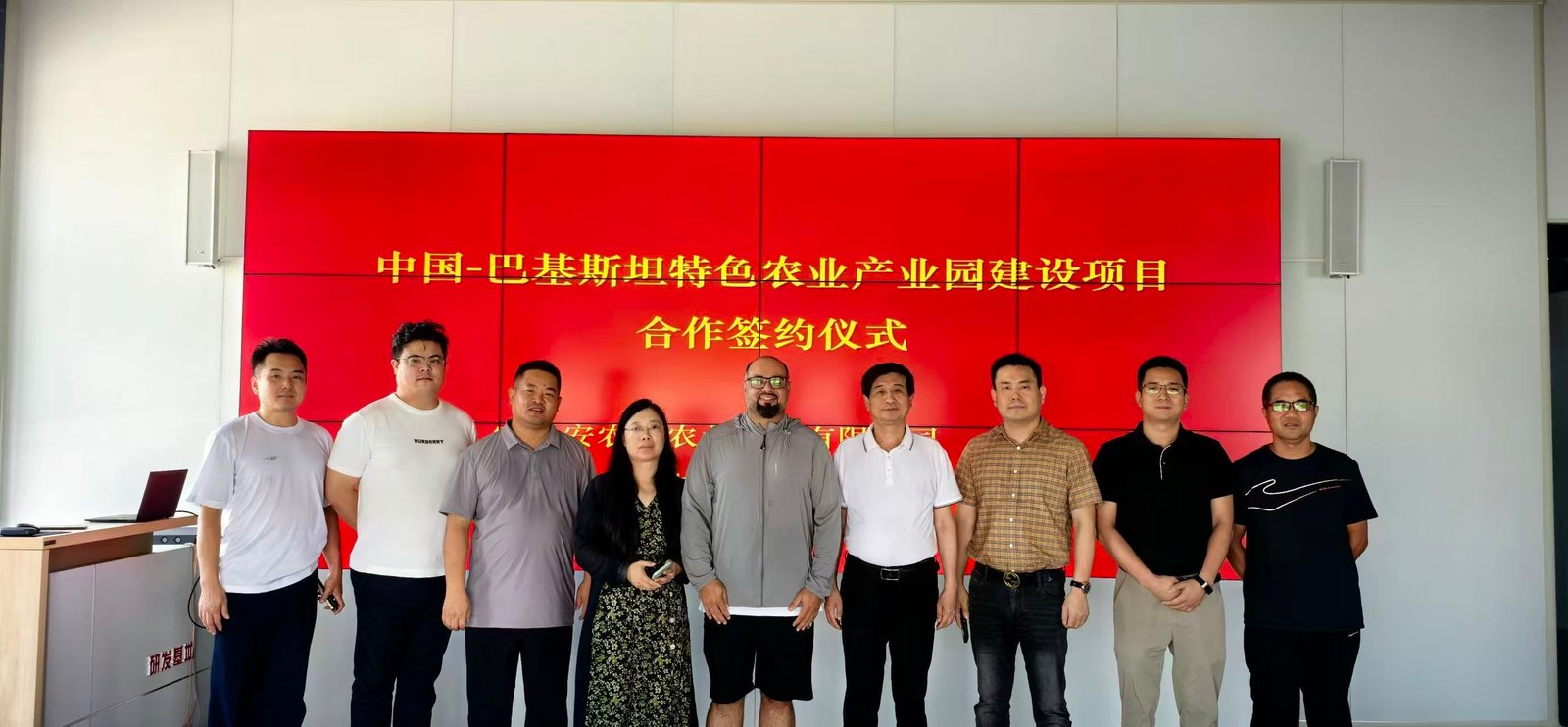
A key outcome of the convention was the formal signing of a Memorandum of Understanding between Enfiniti Innovate and Annongda Agriculture Technology, marking a significant milestone in Pakistan-China agricultural cooperation and paving the way for technology transfer in smart farming solutions.
"The World Manufacturing Convention provides an invaluable platform for fostering international cooperation. Our discussions with the Consul General and the MoU with Annongda represent concrete steps toward realizing Pakistan's agricultural potential through Chinese technology and investment."
During his address and diplomatic engagements, Dr. Iqbal emphasized Pakistan's unique position to become South Asia's leader in smart and sustainable agriculture, citing compelling economic data and structural advantages.
Livestock dominates at 63.6% of agriculture value added
$3.5 billion deficit in FY2022-23
63.6%
of agri value added
3%
only processed
14L/day
far below potential
1.66%
CAGR vs 2.5% population
Dr. Iqbal's discussions centered on transforming Pakistan from a raw commodity supplier to a value-added agricultural producer. The current gap represents a multi-billion dollar opportunity:
Experts note that decades of underinvestment in agricultural research have limited the development of high-yielding, climate-resilient seed varieties. A comprehensive policy framework targeting research, crop diversification, and export-oriented processing is essential to transform agriculture into a driver of rural employment and economic growth.
The MoU with Annongda represents the latest in a series of deepening agricultural ties between Pakistan and China. The 2023 World Manufacturing Convention alone facilitated 587 cooperation projects with total investment of nearly ¥350 billion.
Previous WMC editions have demonstrated the power of such platforms: the皖巴 (Pakistan-Anhui) Agricultural International Cooperation Development Forum has become a regular feature, reflecting the growing depth of bilateral agricultural engagement.
Dr. Sami Iqbal's participation in the World Manufacturing Convention 2024 and the subsequent meeting with the Pakistan Consul General represent a pivotal moment in Enfiniti Innovate's mission to bridge Pakistan's agricultural potential with Chinese technological expertise. The MoU with Annongda lays the groundwork for concrete projects in smart farming, seed technology, and value-added processing.
As Pakistan seeks to modernize its agricultural sector—which employs nearly 40% of the workforce yet faces structural challenges—partnerships forged at platforms like WMC offer a pathway to sustainable growth, rural prosperity, and enhanced food security.